

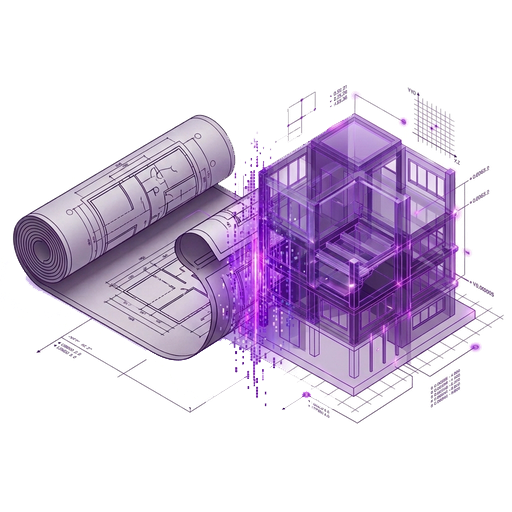


Building Information Modeling (BIM) has fundamentally redefined how high-rises and mega-infrastructure are designed and constructed across the globe. Yet for decades, the term "BIM" was largely synonymous with 3D architectural software—creating digital models of concrete walls, glass curtain walls, and HVAC ductwork.
However, in the world of asset lifecycle stewardship and residential strata fiduciary governance, three dimensions of space are not enough. Councils and capital planners do not just need to know where a component is located; they must know when it needs replacement and how much it will cost. This is the domain of 5D BIM.
The Spectrum of BIM Dimensions Explained
In computational design and construction management, dimensions describe the types of parametric data attached to spatial objects:
- 3D (Spatial Geometry): Width, length, and height coordinates (X, Y, Z). Defines physical clearance, volume, and exact clash detection between architectural, structural, and mechanical elements.
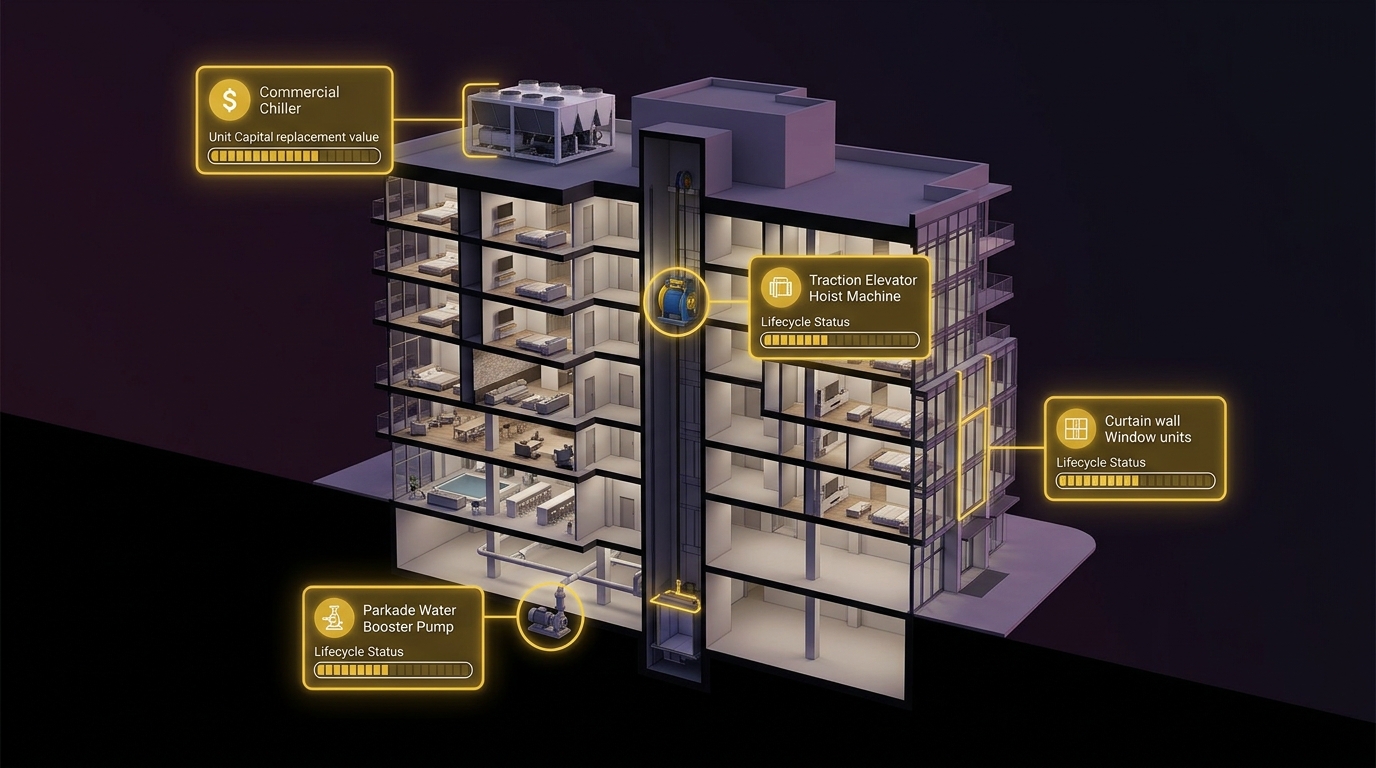
- 4D (Time & Lifecycle Scheduling): The time dimension. In construction, 4D visualizes the construction sequence over time. For strata operations, 4D tracks the installation date, observed age, warranty duration, and remaining useful life (RUL) of every asset.
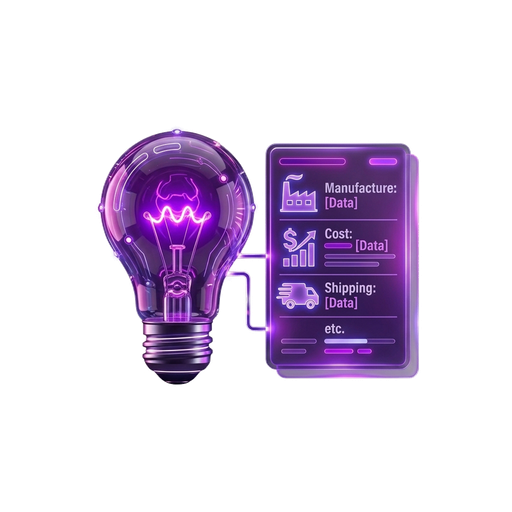
- 5D (Capital Cost & Financial Expenditure): The monetary dimension. Attaching unit material costs, labor replacement estimates, inflationary escalation rates, and lifecycle replacement values directly to individual building components.
- 6D & 7D (Sustainability & Facility Operations): Energy performance tracking and full lifecycle facility operations (CMMS linkage).

Why 5D BIM Solves the Strata Depreciation Dilemma
When an engineering consultant prepares a traditional Depreciation Report under BC Strata Property Regulation 6.2, they often make rough approximations: "Approximately 18,000 square feet of torch-on roofing membrane at $13/sq.ft."
In a 5D BIM model generated by Tucker Technology Consulting:
- Sub-Millimeter Quantity Extraction: The exact surface area of the roof—accounting for parapets, mechanical curbs, drains, and flashing—is calculated directly by the BIM model geometry.
- Dynamic Cost Modeling: If the cost of SBS bitumen or labor rises by 8% in British Columbia, updating the single cost attribute updates the 30-year Contingency Reserve Fund forecast across the entire model in real time.
- Universal Portability (openBIM & IFC4): All 5D data is authored according to international openBIM standards (Industry Foundation Classes, IFC4), guaranteeing that the strata corporation owns its data forever, independent of proprietary software vendors like Autodesk or Bentley.
Read more about international BIM standards and open data interoperability:
- buildingSMART International: IFC (Industry Foundation Classes) Specifications — The ISO 16739 global open data standard for built environment spatial models.
- BIM BC Alliance: Open Letter on Standardized Digital Delivery in BC — Advancing open digital standards and BIM governance across British Columbia public and private assets.
- NBS Knowledge Base: BIM Dimensions (3D, 4D, 5D, 6D, 7D) Explained — Comprehensive industry guide to computational modeling dimensions in the UK BIM Framework.
- ISO 19650-1:2018 Organization of Information about Buildings (BIM Concepts and Principles) — International framework for information management across the entire built asset lifecycle.