


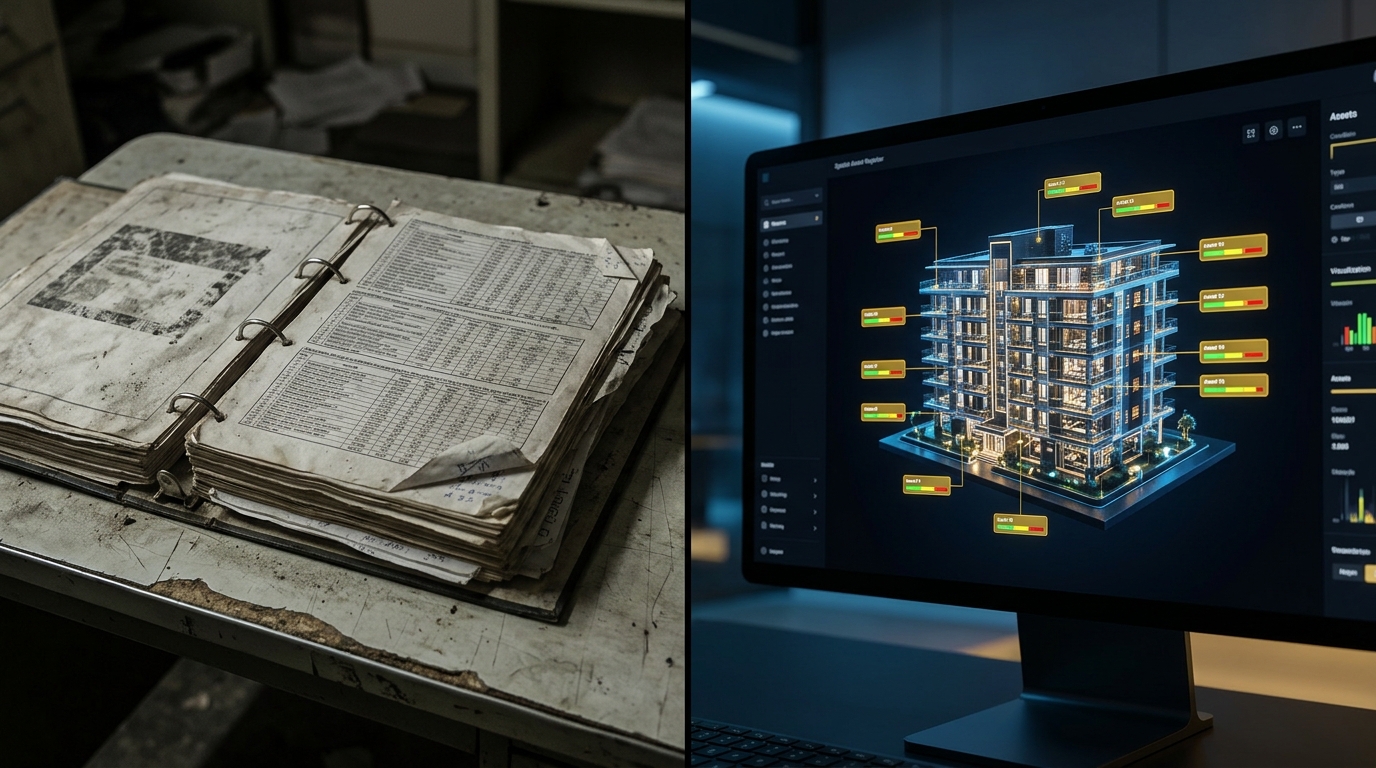
For over a decade, British Columbia strata corporations have complied with the Strata Property Act (SPA s.94) by commissioning statutory Depreciation Reports. Typically delivered as a dense, 200-page spiral-bound engineering binder or an unwieldy PDF, these reports are designed to forecast 30 years of capital renewal for common property components.
Yet, across hundreds of residential stratas in Metro Vancouver and Vancouver Island, a familiar and costly pattern emerges: the PDF is shelved, forgotten, and only dusted off when an unexpected special levy strikes or when a prospective buyer requests Form B documentation. When the mandatory 5-year renewal cycle arrives—accelerated by recent statutory amendments under BC Bill 44—an engineering firm must re-bill the strata council $12,000 to $25,000+ to re-measure square footage, re-survey components, and generate another static document from scratch.
The Root Failure: Static PDFs vs. Living Asset Reality
Buildings are not static spreadsheets. They are complex thermodynamic and mechanical ecosystems subject to varying weather patterns, tenant wear, microclimates, and sudden localized component failures. A PDF snapshot taken on a single sunny day in October cannot adapt when a boiler heat exchanger cracks three years early, or when a high-efficiency roof membrane warranty is invalidated due to improper maintenance log recording.
De-Coding the Legal Framework: SPA Section 94 and Regulation 6.2
To understand how modern spatial digital twins transform compliance, we must examine what British Columbia law actually mandates under Strata Property Regulation (SPR) Section 6.2:
- Physical Inventory & Quantities: Regulation 6.2(1)(a) requires a comprehensive physical inventory of common property and common assets. Traditional reports rely on visual estimates and outdated 1980s blueprints.
- Observed Condition & Remaining Useful Life (RUL): Regulation 6.2(1)(b) mandates stating the anticipated remaining service life of each component.
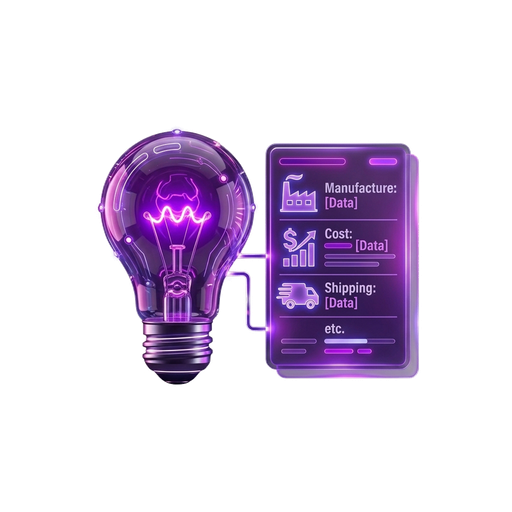
- Current Replacement Costs: Regulation 6.2(1)(c) requires current market pricing for replacement, alongside financial contribution models for the Contingency Reserve Fund (CRF).
Under traditional methods, between 60% and 70% of the entire engineering fee is consumed by manual data collection: measuring roof perimeters, counting corridor fan coil units, and translating paper drawings into basic Excel schedules.
How Spatial Digital Twins Revolutionize the Asset Lifecycle
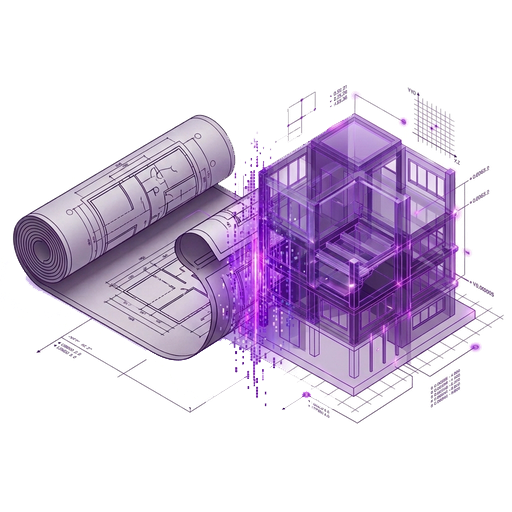
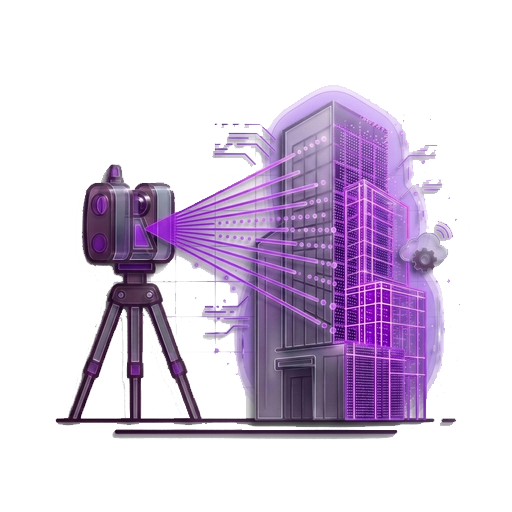
By establishing a permanent 3D spatial digital twin—built via sub-centimeter drone photogrammetry, terrestrial LiDAR, and vectorization of historic drawings—a strata corporation builds an immutable spatial register of its assets:
- De-Scoped Engineering Renewals: Because exact square footages, linear meters, and equipment schedules are permanently stored and calibrated in open BIM formats (IFC4), incoming professional engineers no longer charge for preliminary surveying. They simply inspect component condition and apply certified financial formulas.
- Zero Institutional Amnesia: Volunteer strata councils turn over frequently. When property managers or council presidents resign, the historical record of when elevator cables were replaced or when exterior sealant was re-applied stays securely bound to the 3D model.
- Real-Time Fiduciary Form B Clarity: Prospective purchasers, mortgage underwriters, and insurance brokers gain transparent, verified data on building health, directly stabilizing strata insurance premiums and eliminating surprise special assessment anxiety.

For strata councils and property managers conducting due diligence, explore these statutory and international asset management frameworks:
- BC Laws: Strata Property Act [SBC 1998] Chapter 43, Section 94 (Depreciation Report) — Official statutory requirements governing capital renewal planning in British Columbia.
- BC Laws: Strata Property Regulation, B.C. Reg. 43/2000, Section 6.2 — Mandatory technical components required in every certified depreciation study.
- ISO 55000:2014 Asset Management — Overview, Principles and Terminology — The global gold standard for lifecycle stewardship of physical infrastructure and facilities.
- Condominium Home Owners Association of BC (CHOA) — Educational resources on strata reserve funding, depreciation planning, and council fiduciary liability.
- BIM BC Alliance Open Letter on Digital Delivery — Calling on British Columbia authorities to standardize open digital data environments across built assets.