
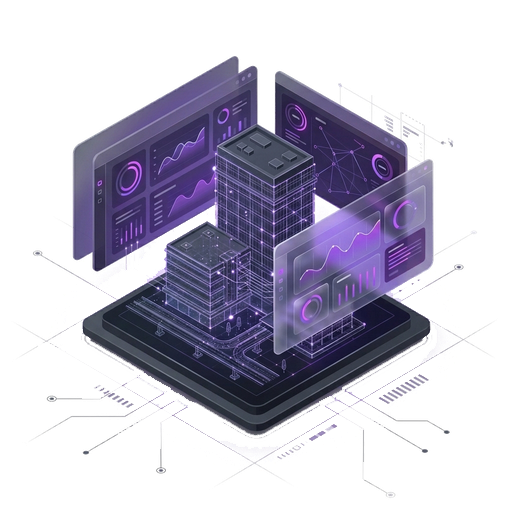
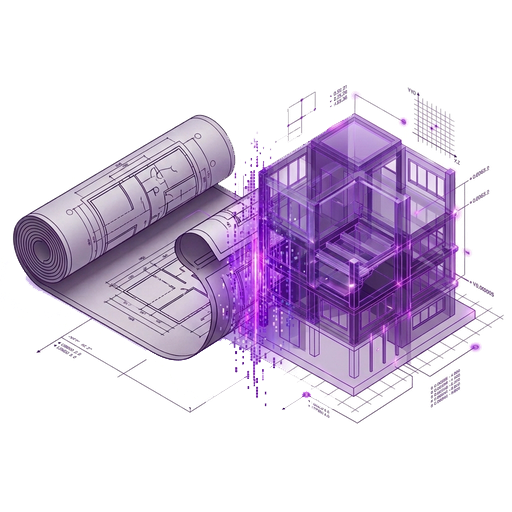
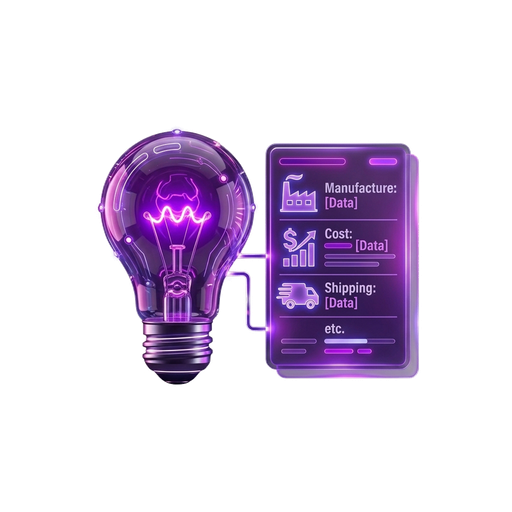
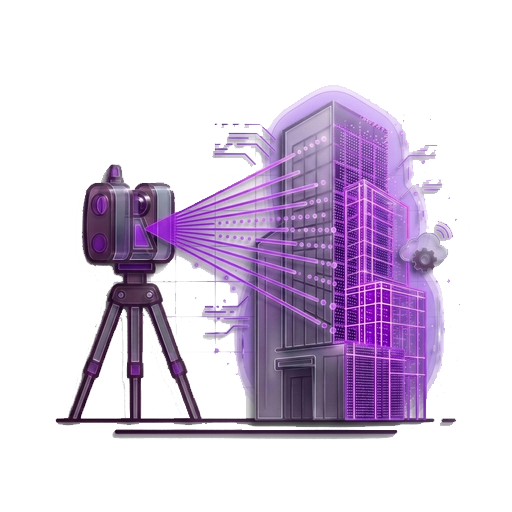

As the term "digital twin" spread across architecture and proptech, marketing departments began labeling everything from 2D floor plans to static SketchUp models as "twins." To eliminate this confusion and establish rigorous engineering criteria, the Digital Twin Consortium (DTC) was founded in 2020 by the Object Management Group (OMG) alongside global leaders including Microsoft, Dell, Ansys, and Lendlease. Today, the DTC defines what a digital twin actually is—and how real-time telemetry elevates a 3D model into an active risk-mitigation tool.
The Definitive DTC Definition of a Digital Twin
The Digital Twin Consortium defines a digital twin with strict engineering parameters:
"A digital twin is a virtual representation of real-world entities and processes, synchronized at a specified frequency and fidelity."
The operative word in the DTC standard is synchronized. A 3D CAD model or laser scan mesh sitting passively on a hard drive is not a digital twin. To qualify as a true digital twin under DTC architectural principles, there must be a synchronized relationship between the physical asset and its digital avatar—whether updated through periodic reality capture, statutory inspection logs, or real-time IoT sensor telemetry.
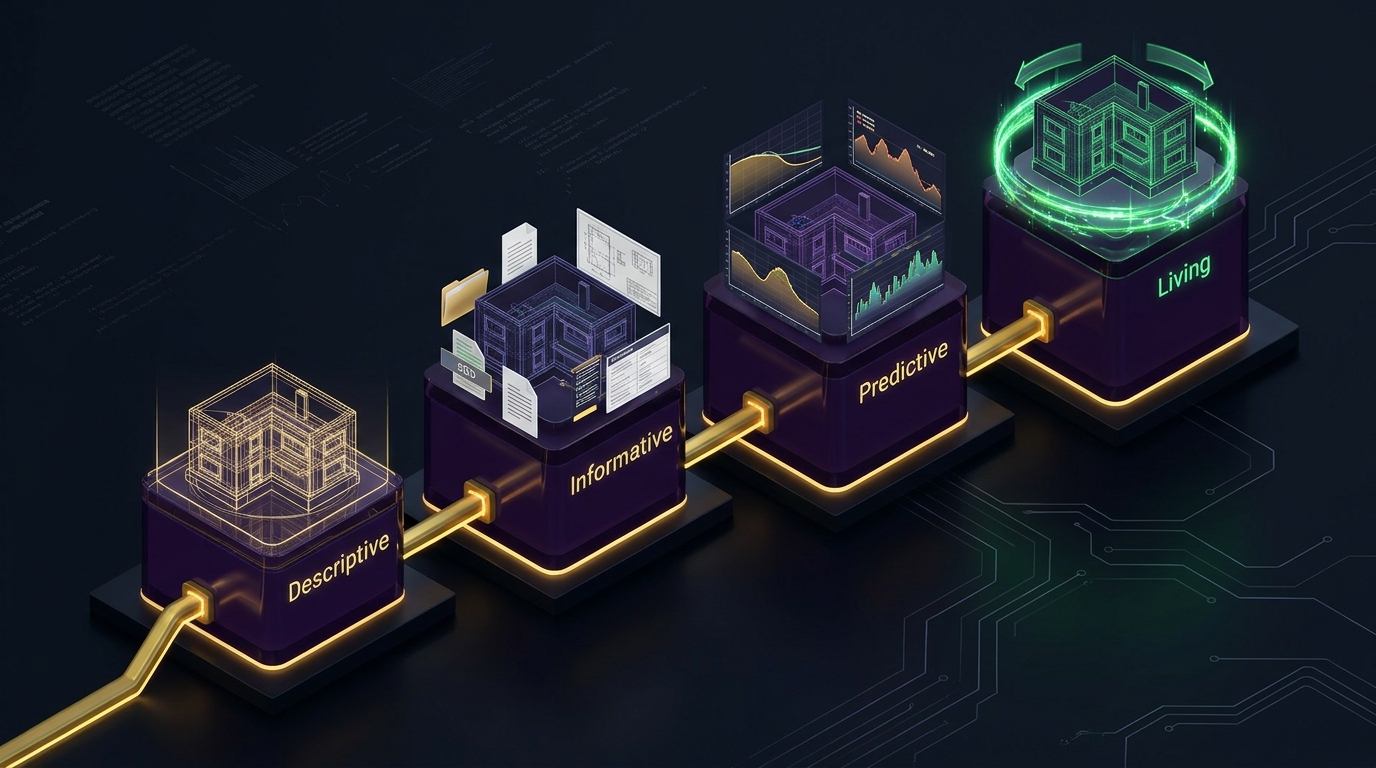
The 4-Phase Digital Twin Maturity Model
The DTC framework categorizes digital twin implementations along an evolutionary spectrum of capability:
| Maturity Level | Technical Characteristics | Real-World Strata Application |
|---|---|---|
| 1. Descriptive Twin | Captures precise as-built geometry, spatial dimensions, and asset metadata. | Millimeter-accurate 3D BIM reconstructed from drone photogrammetry and LiDAR SLAM surveys. |
| 2. Informative Twin | Integrates static maintenance documents, operating permits, and warranty logs. | Full compliance with BC SPA s.35; every boiler, pump, and elevator holds its complete maintenance history pinned in 3D space. |
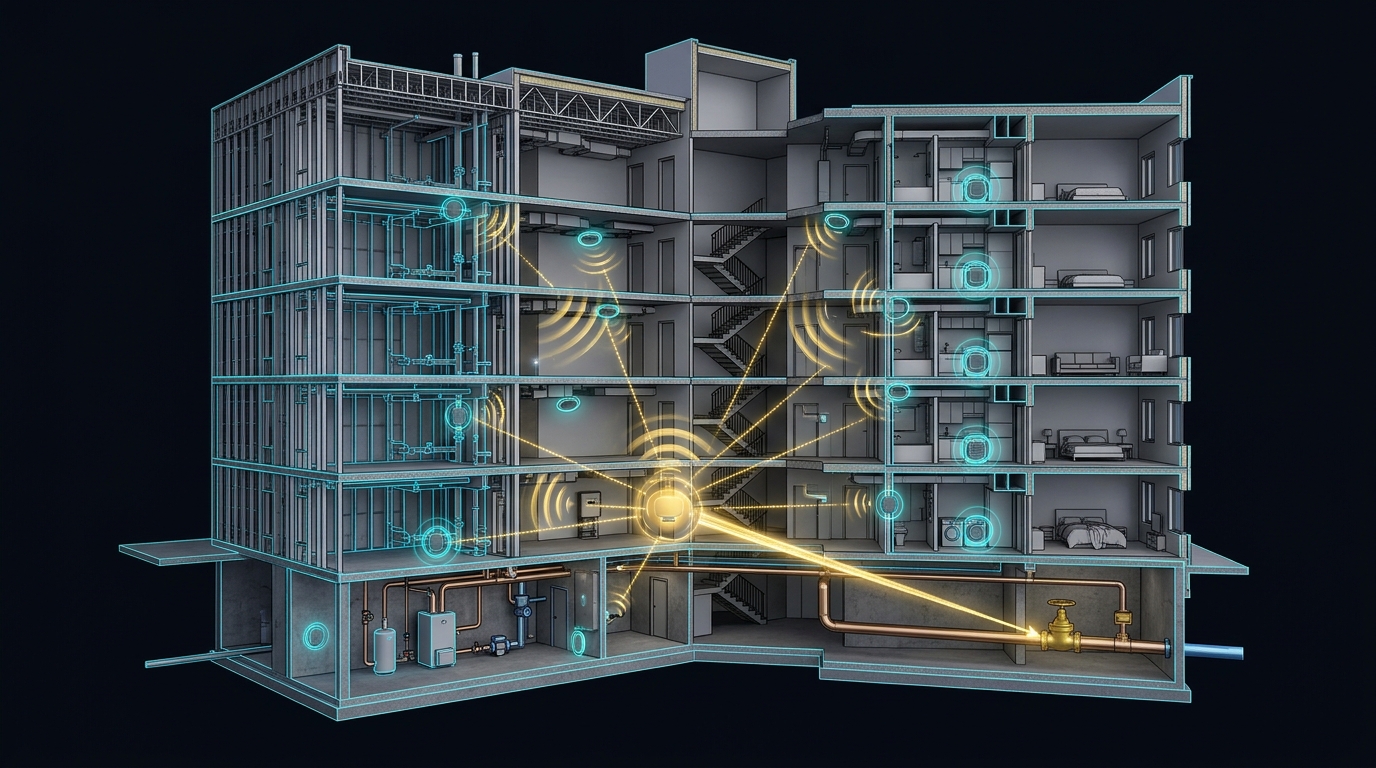
| 3. Predictive Twin | Fuses real-time sensor streams (IoT) and historical data to forecast failure before it occurs. | Live capacitive moisture sensors detecting pipe weeping <1s from contact; ultrasonic flow meters detecting silent nocturnal riser leaks. |
| 4. Transformative Twin | Autonomous closed-loop mitigation and automated dispatch. | Automated shut-off valve actuation when catastrophic water flows are detected, alerting property managers via SMS with exact coordinates. |
The System Interoperability Framework
One of the DTC’s most critical contributions is the System Interoperability Framework. Built assets do not operate as closed machines; they consist of multiple interacting subsystems: structural frames, mechanical piping, electrical distribution, municipal utilities, and financial reserve accounts.
The DTC framework establishes that digital twins must interoperate across four pillars:
- Structural & Geometric Fidelity: Open IFC (Industry Foundation Classes) geometric schemas.
- Behavioral & Temporal Fidelity: Time-series telemetry databases recording pressure, temperature, and flow rates.
- Security & Sovereignty: Role-based access control ensuring sensitive building infrastructure and resident privacy (under PIPA BC) are hermetically protected.
- Business & Fiduciary Context: Direct synchronization with financial accounting systems (linking physical pump lifecycles to Contingency Reserve Fund schedules).
The Moisture Telemetry Imperative in Multi-Family Stratas
In British Columbia multi-family housing, water claims account for over 70% of all strata insurance payouts, driving deductibles from $10,000 to punitive highs of $100,000 or $250,000. Applying the DTC’s Level 3 Predictive Twin architecture—deploying sub-miniature IoT moisture sensors and clamp-on ultrasonic riser meters—allows stratas to catch pinhole leaks before drywall or ceilings saturate, preserving clean insurance claims histories.
How TTC Deploys DTC Architectural Frameworks for BC Stratas
Tucker Technology Consulting translates the Digital Twin Consortium’s theoretical architecture into practical, turnkey solutions for multi-family strata corporations and institutional owners:
- Turnkey Descriptive Baseline: We build the high-fidelity 3D spatial foundation using drone reality capture and terrestrial laser scanning.
- Carta-Style Fiduciary Ledgers: We tie every physical building component to its statutory 30-year depreciation cycle under BC SPR 6.2.
- Optional IoT Hardware Integration: In partnership with leading hardware providers like Disruptive Technologies, we coordinate non-invasive peel-and-stick wireless moisture sensors and ultrasonic flow meters, giving strata councils living, predictive protection against catastrophic insurance deductibles.
Consortia & Technical Standards References
Consult the official Digital Twin Consortium white papers, architectural frameworks, and technical standards below:
- Digital Twin Consortium (DTC) Official Portal ↗ The international authority driving digital twin consistency, interoperability, and architectural maturity worldwide.
- Object Management Group (OMG) ↗ The international open standards consortium that established the Digital Twin Consortium and oversees technological standards.
- DTC System Interoperability Framework ↗ Technical guidance defining how spatial geometry, time-series telemetry, and business models communicate across twin ecosystems.
- Digital Twin Capabilities Periodic Table ↗ An architectural taxonomy mapping the functional capabilities required to design, deploy, and operate digital twins.
- BIM BC Alliance Open Letter ↗ Advocating for provincial alignment with open digital twin architectures across British Columbia's built environment.