

The term "Digital Twin" has rapidly become one of the most prominent buzzwords in architecture, engineering, and real estate technology. For volunteer strata council members, however, the concept is often shrouded in marketing hype or confused with basic 3D architectural renderings found on developer sales websites.
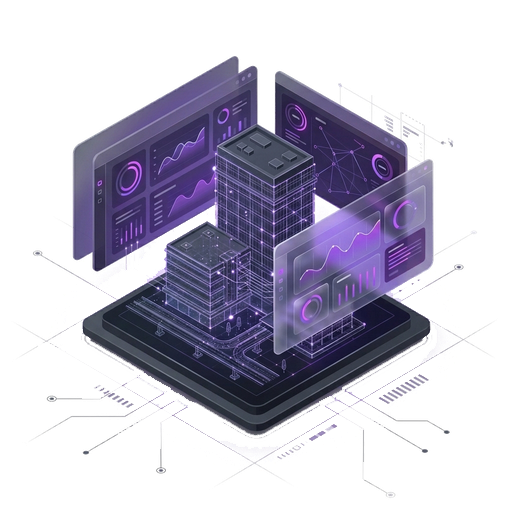
A marketing rendering is simply a visual picture—a static set of pixels designed to sell a lifestyle. In contrast, an authentic Living Digital Twin is a dynamic computational mirror of a physical asset, continuously enriched with operational parameters, maintenance logs, and live sensory telemetry.
The Three Evolutionary Stages of Spatial Building Records
To grasp where a digital twin fits in strata operations, consider the technical evolution of building records over the past forty years:
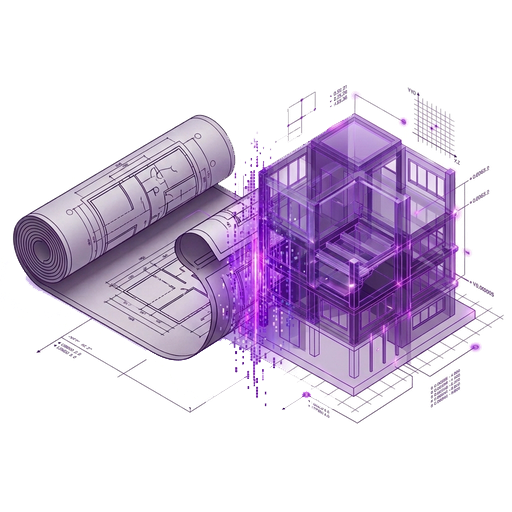
- Stage 1: Static 2D Documentation (Paper & PDF): Architectural blueprints and mechanical schematics filed away in basement electrical rooms or scanned as raster PDFs. They contain zero computational intelligence; finding the shutoff valve for a leaking line requires an emergency plumber to manually cross-reference faded drawings in the dark.
- Stage 2: Building Information Modeling (BIM): Parametric 3D digital objects (walls, slabs, conduits, chillers) that represent the design and construction geometry. While geometrically accurate, traditional BIM models are typically "dead on arrival" after handover because contractors do not update them as components age.
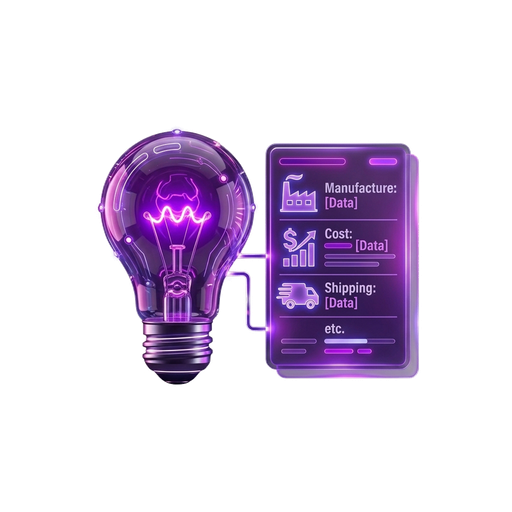
- Stage 3: The Living Operational Digital Twin: The BIM model is populated with live asset health indicators, maintenance schedules, warranty documents, and wireless IoT sensors (e.g., moisture, temperature, differential pressure). The digital model reflects how the physical building is actually performing right now.
How Autodesk Tandem Powers the TTC Strata Platform
At Tucker Technology Consulting, we anchor our strata digital twins in Autodesk Tandem, an enterprise-grade digital twin platform. Rather than building proprietary, closed-loop software that traps strata corporations into perpetual vendor hostage scenarios, Tandem is built on open standards and provides:
- Fiduciary Classification Schema: Every component is classified according to MasterFormat or UniFormat standards, aligning perfectly with BC Strata Property Regulation 6.2 categories.
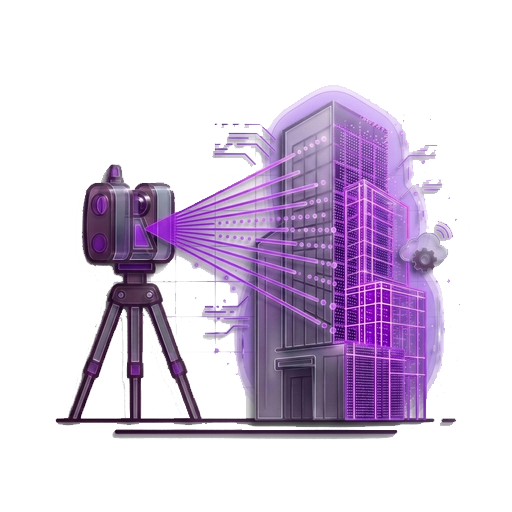
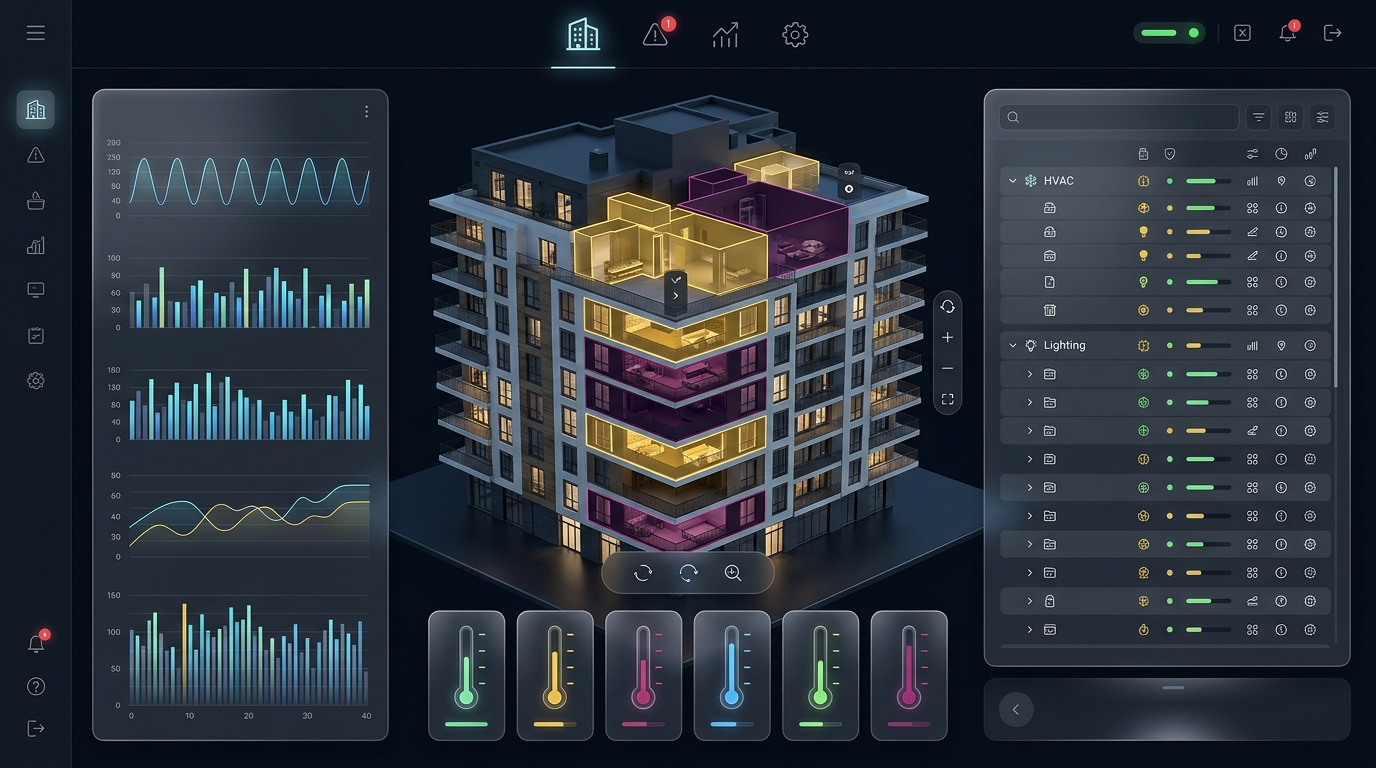
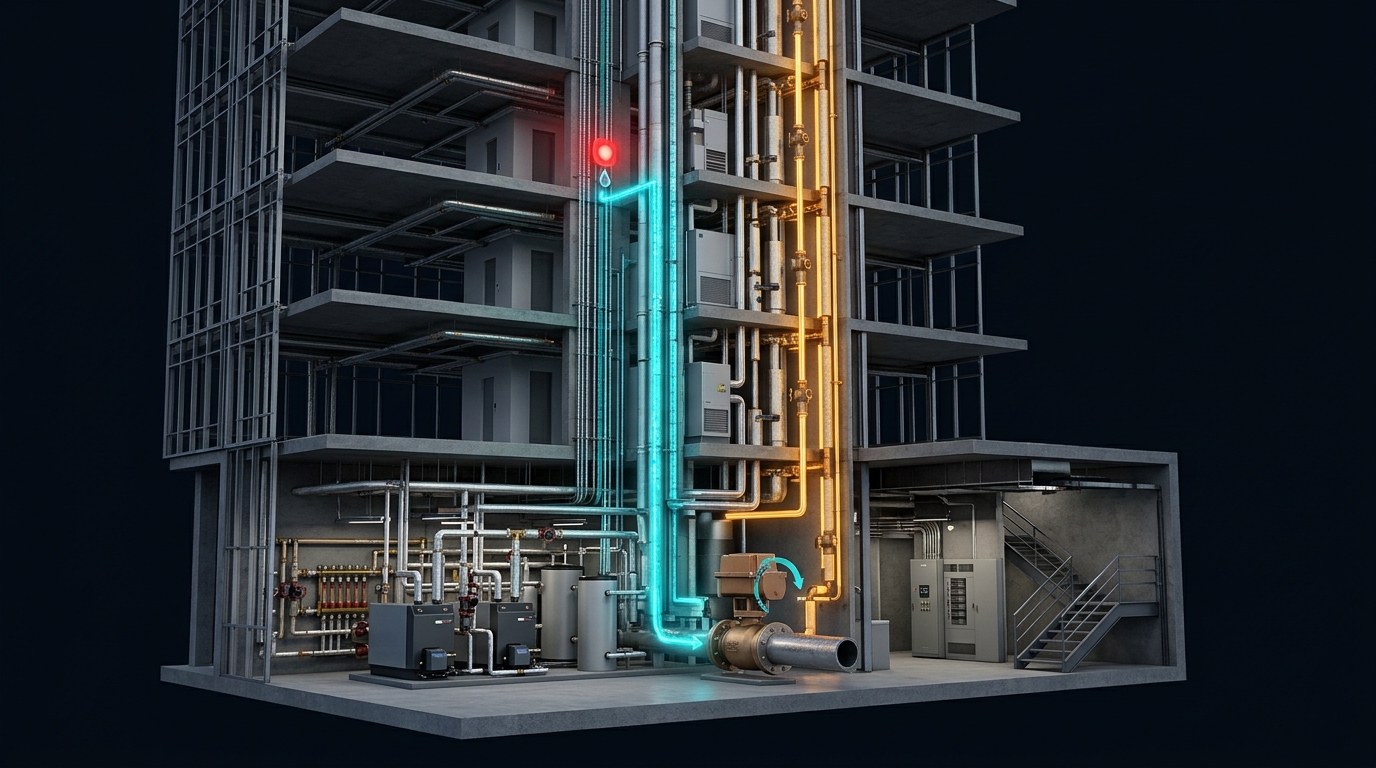
- Bi-directional IoT Streaming: Telemetry from ultra-miniature sensors (such as Disruptive Technologies moisture sensors) streams directly to specific 3D pipe joints and mechanical rooms, flashing gold or red when an anomaly occurs.
- Zero Software Installation for Councils: Strata councils and property managers interact with the twin directly through any modern web browser or tablet without needing costly BIM licenses.
Real-World Fiduciary Impact: Water Loss Mitigation
Water damage accounts for over 70% of all insurance claim payouts in Canadian multi-family residential buildings. In high-density towers across Vancouver and Burnaby, a single ruptured flex hose or failed rooftop drain can cause hundreds of thousands of dollars in drywall, hardwood, and elevator damage.
In a TTC Living Digital Twin, wireless moisture detectors placed beneath domestic hot water boilers and inside pipe chases report continuous ambient humidity and surface moisture. If water is detected, the 3D twin instantly highlights the exact location in the building cross-section, notifying the building manager and council before catastrophic flooding occurs.
For deeper exploration into digital twin architecture and operational standards:
- Digital Twin Consortium — Global authority defining digital twin vocabulary, interoperability standards, and reference architectures.
- Autodesk Tandem Digital Twin Platform — Purpose-built cloud environment connecting BIM design data with building operational lifecycles.
- Centre for Digital Built Britain: The Gemini Principles — Foundational framework establishing ethics, transparency, and value in national digital twin ecosystems.
- Disruptive Technologies: Ultra-Miniature IoT Sensor Solutions — Industry-leading peel-and-stick wireless telemetry sensors for water leak detection and predictive maintenance.