

British Columbia multi-family residential buildings are facing the fastest transformation of their physical infrastructure since the introduction of central HVAC. Driven by provincial zero-emission vehicle mandates and clean heat pump transitions, Section 94.1 of the Strata Property Act mandates that strata corporations must obtain an in-depth Electrical Planning Report (EPR). For stratas in Metro Vancouver, the Fraser Valley, and the Capital Regional District, the statutory deadline is December 31, 2026.
The Catalyst Behind Section 94.1: CleanBC and the Electrification Squeeze
Most residential strata towers built between 1970 and 2015 were engineered around gas heating, atmospheric boilers, and low resident electrical demand (lighting, television, and refrigeration). They were never designed to simultaneously charge 80 electric vehicles at 32 amps each, power individual suite heat pumps during an atmospheric river freeze, or support induction cooktops.
Without proactive capacity engineering, unchecked installation of Level 2 chargers triggers transformer overloads, nuisance main-breaker trips, and catastrophic utility demand penalties from BC Hydro.
To prevent localized electrical grid failure and ensure fair access to EV charging among co-owners, the BC Legislature enacted SPA s.94.1. This statute forces strata councils to establish an audited baseline of their electrical distribution system before individual owners begin retrofitting chargers and heat pumps.
Statutory Deadlines: Are You in the 2026 or 2028 Cohort?
The Strata Property Regulation establishes a phased regional roll-out for EPR compliance based on strata corporation size and location:
| Regional Jurisdiction | Applicable Strata Size | Statutory Deadline |
|---|---|---|
| Metro Vancouver Regional District (MVRD) | 5 or more strata lots | December 31, 2026 |
| Fraser Valley Regional District (FVRD) | 5 or more strata lots | December 31, 2026 |
| Capital Regional District (CRD — Greater Victoria) | 5 or more strata lots | December 31, 2026 |
| All Other BC Regional Districts (Okanagan, Nanaimo, Interior, North) | 5 or more strata lots | December 31, 2028 |
The Engineering Roster Bottleneck
There are approximately 34,000 strata corporations in British Columbia, with over 12,000 located in the December 31, 2026 deadline zone. With fewer than 150 qualified electrical engineering firms actively practicing strata reserve and capacity reporting, engineering rosters are already booking months in advance. Strata councils that delay commissioning risk statutory default.
Mandatory Content of an Electrical Planning Report
Pursuant to Strata Property Regulation Section 6.9, an Electrical Planning Report must provide a rigorous engineering audit comprising six core deliverables:
- Electrical Utility Service Baseline: Analysis of incoming BC Hydro voltage, service amperage (e.g., 600V, 1200A), step-down pad-mounted or vault transformers, and main switchgear capacity.
- Peak Electrical Demand History: Analysis of the building’s historical peak demand (measured in kVA or kW) over the preceding 24 to 36 months, extracted directly from BC Hydro interval utility meter records.
- Available Capacity Calculation: Calculation of spare electrical headroom remaining between historic peak demand and maximum safe utility service rating pursuant to the Canadian Electrical Code (CSA C22.1).
- Projected Future Load Growth: 10-year modeling of anticipated electrical loads:
- Electric Vehicle Supply Equipment (EVSE / Level 2 charging).
- Heat pump retrofits and cooling upgrades.
- Domestic hot water electrification.
- Common property ventilation and elevator modernizations.
- Electric Vehicle Energy Management System (EVEMS) Strategy: Evaluation of dynamic load management (smart branch sharing, rotating scheduling) to maximize charger deployment without multi-million-dollar utility transformer upgrades.
- Qualified Person Signature: The report must be prepared and sealed by a licensed professional electrical engineer (P.Eng) or registered professional technologist.

How 3D Spatial MEP Modeling Cuts Electrical Engineering Survey Time by 40%
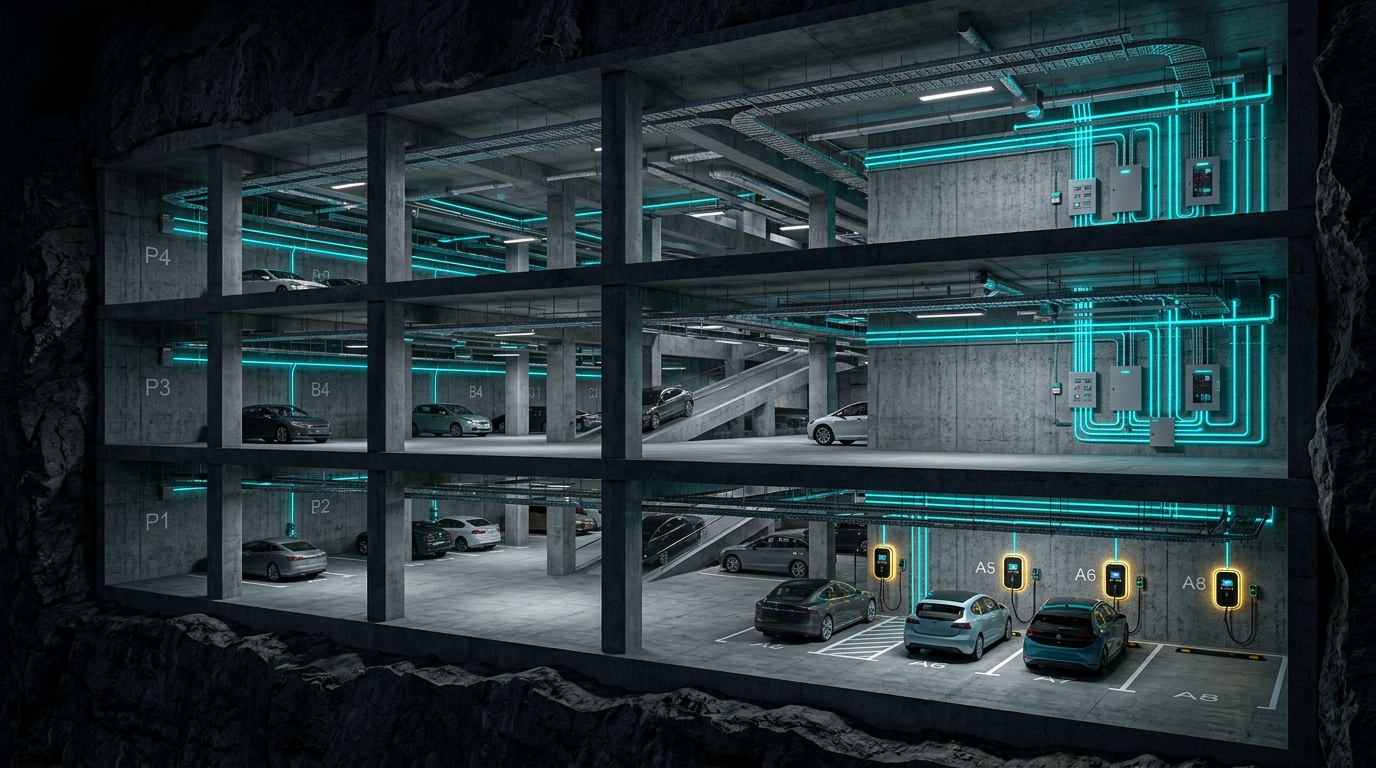
When an electrical consulting engineer arrives at an aging strata property, up to 50% of their billable budget is expended crawling through dark electrical vaults, tracing unlabeled conduit runs through concrete parkade slabs, and attempting to decipher hand-scrawled 1994 single-line panel schedules.
Tucker Technology Consulting accelerates this workflow:
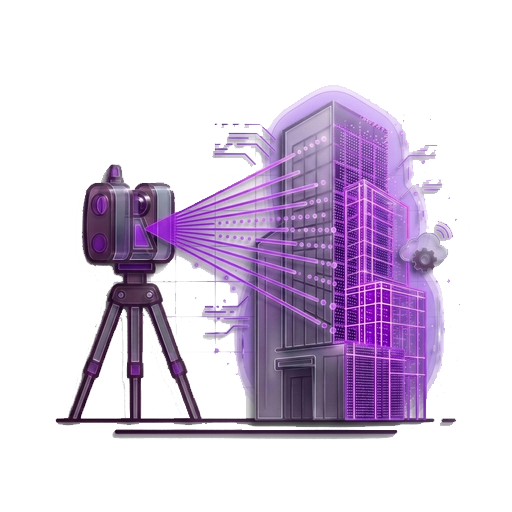
- LiDAR Parkade Scanning: We capture underground parkade ceilings, main distribution panels (MDP), sub-distribution panels (CDP), cable trays, and bus ducts down to millimeter accuracy.
- Parametric 3D Single-Line Models: We reconstruct the electrical hierarchy in a clean 3D browser model, linking transformer nameplates, breaker ratings, conduit pathways, and physical distances to parking stalls.
- Frictionless Engineering Hand-off: The certifying electrical engineer is handed structured spatial data before stepping onto the property. They complete their load calculations in days rather than weeks, reducing engineering costs by up to 40% and ensuring guaranteed compliance before December 31, 2026.
Statutory & Official BC Law References
Consult the official legislative resources, utility programs, and professional engineering practice guidelines below:
- BC Laws: Strata Property Act [SBC 1998] c. 43, Section 94.1 ↗ Official statutory provision mandating Electrical Planning Reports and establishing regulatory obligations.
- BC Laws: Strata Property Regulation Part 6 (Electrical Planning Reports) ↗ Detailed regulations specifying mandatory report contents, peak demand calculations, and qualified author definitions.
- BC Hydro: EV Ready Plans & Infrastructure Rebates for Multi-Family Buildings ↗ Provincial utility funding and incentive programs covering up to $3,000 for EV Ready Plans and up to $1,400 per charging stall.
- CleanBC: Roadmap to 2030 ↗ The provincial climate plan establishing mandatory electrification timelines and energy transition policies for BC buildings.
- Technical Safety BC: Electrical Safety Regulations & Operating Permits ↗ Regulatory oversight body governing multi-family electrical distribution systems, operating permits, and contractor compliance.
- Engineers and Geoscientists British Columbia (EGBC) Professional Practice Guidelines ↗ Practice standards for electrical engineering consultants conducting demand capacity studies and sealing EPRs.